7 Days Umbwe Route
Your Best Choice
-
Duration
7 Days
-
Min Age
10 +
-
Tour Type
Adventure
-
Kilimanjaro
Book Now!
-
Posted 2 days ago
-
5.0 Reviews
The Umbwe Route is known as the most difficult yet scenic path to the summit of Mount Kilimanjaro. This trail is ideal for experienced trekkers who seek a short yet steep ascent with fewer crowds and unparalleled adventure. The 7 Days Umbwe Route is an unforgettable adventure for experienced climbers looking for a direct and less crowded path to Kilimanjaro’s summit. With its steep ascent, breathtaking views, and ultimate challenge, it’s a trek worth experiencing.
This route rewards climbers with unmatched panoramic views and a true sense of accomplishment. The demanding trek requires a high level of physical fitness and proper acclimatization to cope with the rapid altitude gain. The challenge is well worth the effort, as the journey through the diverse terrains of Kilimanjaro creates a once-in-a-lifetime adventure for those who dare to take it on.
Overview of the Umbwe Route
The Umbwe Route is known as the shortest and steepest route to the summit of Mount Kilimanjaro. It is less crowded, offering trekkers an untouched and scenic experience. Although physically demanding, it provides breathtaking views and a direct path to Uhuru Peak.
Why Choose the 6-Day Umbwe Route?
This route offers a direct and steep climb, making it one of the most exhilarating treks on Kilimanjaro. The extended 7-day itinerary allows for better acclimatization, increasing the chances of reaching Uhuru Peak successfully.
Day-by-Day Itinerary for the 6 Days Umbwe Route Itinerary
Day 0 Arrival at Kilimanjaro or Arusha Airport
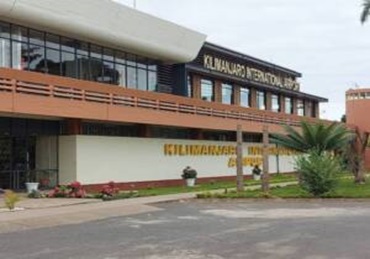
Upon your arrival at Kilimanjaro International Airport or Arusha Airport, you will be warmly welcomed and transferred to your accommodation at Hotel. This is a great opportunity to relax, recover from your journey, and prepare for the adventure ahead. A briefing will be conducted to ensure you are well-informed about the trek. Enjoy a delicious dinner and a restful night before your climb begins.
Day 1: From Hotel to Umbwe Cave Camp
After an early breakfast, you will be driven to the Umbwe Gate, where registration and final preparations take place. The trek begins through dense rainforests with towering trees and lush vegetation, creating a humid and mystical atmosphere. The trail is steep and narrow, offering a challenging start. A packed lunch will be provided on the way before reaching Umbwe Cave Camp, where you will spend your first night in the wilderness.
- Elevation: 1660m/5450ft to 2850m/9350ft
- Distance: 11km/7 miles
- Hiking Time: 5-6 hours
- Habitat: Montane Forest
- Meals: Lunch and Dinner
Day 2: Umbwe Cave Camp to Barranco Camp
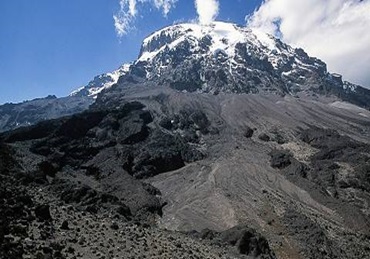
Leaving the rainforest behind, the trail ascends into the moorland zone, where the landscape opens up to breathtaking views of the towering Western Breach. The climb remains steep but offers stunning sights of Kilimanjaro’s glaciers. As you approach Barranco Camp, you will witness the impressive Barranco Wall, a highlight of the journey. The evening will be spent enjoying a warm meal and preparing for the next day's adventure.
- Elevation: 2850m/9350ft to 4000m/13,000ft
- Distance: 6km/4 miles
- Time: 4-5 hours
- Habitat: Semi-desert
- Meals: Breakfast, Lunch, and Dinner
Day 3: Acclimatization Day at Barranco Camp
This day is dedicated to acclimatization, which is crucial for a successful summit. You will spend the day at Barranco Camp, allowing your body to adjust to the altitude. Light activities and short walks will help with acclimatization while you take in the spectacular mountain views. The day is also an opportunity to rest and regain energy for the upcoming challenges.
- Elevation: 4050m/13,250ft
- Distance: 0km/0 miles
- Hiking Time: 0 hours
- Habitat: Alpine Desert
- Meals: Breakfast, Lunch, and Dinner
Day 4: Barranco Camp to Karanga Camp
The day starts with a thrilling climb up the Barranco Wall, a steep but non-technical ascent that rewards you with awe-inspiring panoramic views. The trail then leads through alpine desert landscapes towards Karanga Valley, a crucial stop for further acclimatization. After reaching Karanga Camp, you will have time to relax, enjoy your meals, and prepare for the higher altitudes ahead.
- Elevation: 4000m/13,000ft to 4050m/13,250ft
- Distance: 5km/3 miles
- Climbing Time: 3-4 hours
- Habitat: Alpine Desert
- Meals: Breakfast, Lunch, and Dinner
Day 5: Karanga Camp to Barafu Camp
Today’s trek is relatively short but crucial as you reach Barafu Camp, the final stop before the summit push. The trail becomes more rugged and winds through alpine desert terrain. Upon arrival, you will have an early dinner and rest in preparation for the midnight ascent to Uhuru Peak. This night will be crucial for gathering strength for the ultimate challenge.
- Elevation: 4050m/13,250ft to 4700m/15,350ft
- Distance: 4km/2 miles
- Climbing Time: 3-4 hours
- Habitat: Alpine Desert
- Meals: Breakfast, Lunch, and Dinner
Day 6: Barafu Camp to Summit to Mweka Camp
The final ascent begins in the early hours before dawn. The climb to Stella Point is steep and physically demanding, but the reward is an unforgettable sunrise over Africa’s highest peak. From Stella Point, a final push leads to Uhuru Peak, the highest point on Mount Kilimanjaro. After celebrating this incredible achievement, the descent begins, stopping for a break at Barafu before continuing down to Mweka Camp.
- Elevation: 4700m/15,350ft to 5895m/19,340ft (Uhuru Peak), then down to 3090m/10,150ft
- Distance: 5km/3 miles up, 13km/8 miles down
- Hiking Time: 5-7 hours up, 5-6 hours down
- Habitat: Stone scree and ice-capped summit
- Meals: Breakfast, Lunch, and Dinner
Day 7: Mweka Camp to Mweka Gate to Moshi Hotel
After breakfast, the final descent through the rainforest begins, leading to Mweka Gate. Upon arrival, you will receive your well-earned summit certificates before being transferred back to your hotel in Moshi for a well-deserved rest and celebration of your achievement.
- Distance: 10km/6 miles
- Hiking Time: 3-4 hours
- Habitat: Rainforest
- Meals: Breakfast
Included/Exclude
-
All Park Fees, Camping Fees
-
Season mountain tents with sleeping mats
-
Transportation to & from the mountain gate
-
Professional mountain guides & cooks and porters
-
Crew Wages
-
Breakfasts, Lunches, Dinners and Drinking water
-
Supplemental Oxygen & Pulse Oximeter
-
Flights, Visa and Travel Insurance
-
Tipping the crew
-
Personal Climbing Gears
-
Laundry Services
Difficulty Level and Acclimatization
The Umbwe Route is classified as one of the most difficult routes on Kilimanjaro due to its rapid elevation gain. Proper acclimatization, hydration, and physical fitness are essential for success.
Best Time to Climb the Umbwe Route
The best months to trek the Umbwe Route are January–March and June–October, when the weather is stable and visibility is high. Climbing during a full moon enhances the experience with well-lit trails.
Other Umbwe Route Day Plan
Book Tours
Last Minute
-

$380
Chemka Hot Spring
Book Now!
-

$380
Marangu Waterfall
Book Now!
-

$380
Materuni Waterfall and Coffee
Book Now!
Frequently Asked Questions (FAQs) – 6 Days Umbwe Route
The Umbwe Route is considered a moderate to difficult trek due to its steep sections, long trekking days, and high altitude. While no technical climbing skills are required, hikers must be prepared for challenging ascents, including the Barranco Wall and the final summit push. Good physical fitness, mental determination, and prior hiking experience can help make the climb more manageable.
The 6-day Umbwe Route has an estimated success rate of around 85%, making it one of the best routes for reaching the summit. This is due to its well-planned acclimatization profile, which follows the "climb high, sleep low" principle. Choosing the 7-day Umbwe Route increases the success rate even further by providing an extra day for better acclimatization.
No prior trekking experience is required to climb Kilimanjaro via the Umbwe Route, but good physical fitness is highly recommended. Since the trek involves multiple days of hiking at high altitudes, training at least two months before the climb with activities such as hiking, running, cardio workouts, and leg-strengthening exercises will improve endurance and overall performance on the mountain.
The best time to climb Kilimanjaro via the Umbwe Route is during the dry seasons, which are January to early March and June to October. These months offer stable weather, clearer skies, and better trekking conditions. The January–March period is cooler, with a higher chance of snow at the summit, making it ideal for those seeking a less crowded experience. The June–October season is the most popular, with warmer temperatures and minimal rainfall. The rainy seasons (April–May and November–December) make the trek more challenging due to muddy trails and poor visibility.
Due to the rapid altitude gain, the success rate is lower compared to other routes. However, those who acclimatize well and follow a steady pace have a good chance of reaching Uhuru Peak.
The best months are January–March and June–October, when the weather conditions are most stable, and visibility is high.
Yes, due to its difficulty, prior high-altitude trekking experience is highly recommended.
Essential gear includes warm clothing, waterproof layers, sturdy trekking boots, a high-altitude sleeping bag, trekking poles, and a hydration system.